
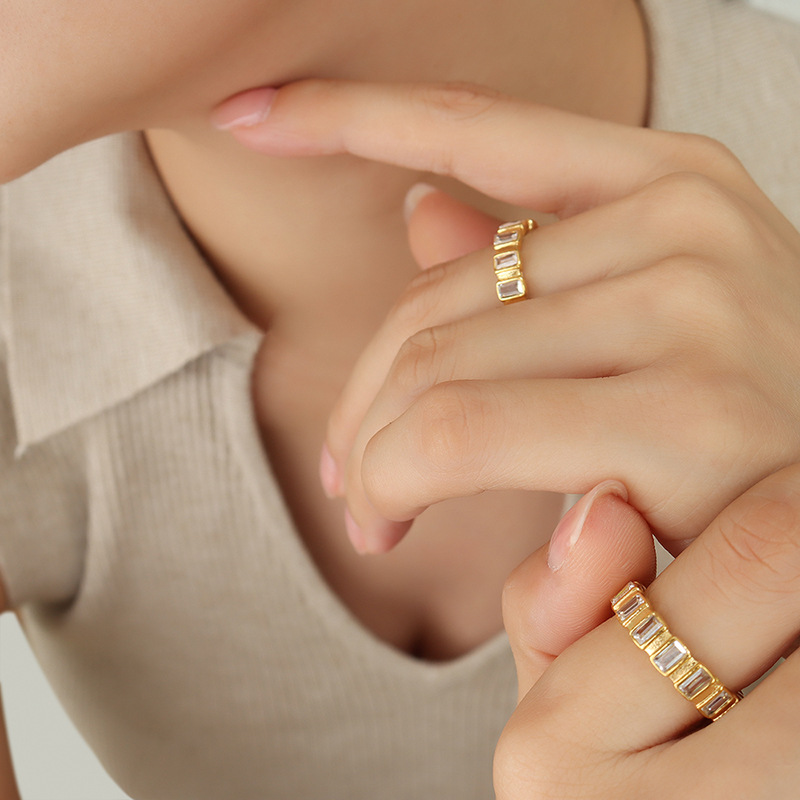
Stainless Steel Jewelry: Tarnish-Resistant, Skin-Friendly & Water-Resistant (304 vs 316L)
Does stainless steel jewelry tarnish or rust? Is it safe for sensitive skin and daily water wear? This brand-friendly guide covers 304 vs 316L, finishing options, and safe marketing wording.
Table of Contents
Stainless Steel Jewelry: Does It Tarnish, Is It Skin-Friendly & Water-Resistant?
| What customers notice | Stainless Steel | Brass | 925 Silver |
|---|---|---|---|
| Color change risk | Low | Depends heavily on plating | Medium–high (tarnish) |
| Water exposure | Generally strong | Uncoated brass is risky | Needs care |
| Maintenance | Low | Medium–high | Medium–high |
| Skin-friendly potential | Strong (316L helps) | Depends on plating | Usually fine, but oxidizes |
The quick answer (the one you’d tell a buyer)
Does stainless steel jewelry tarnish or rust? Is it safe for sensitive skin and daily water wear? This brand-friendly guide covers 304 vs 316L, finishing options, and safe marketing wording.
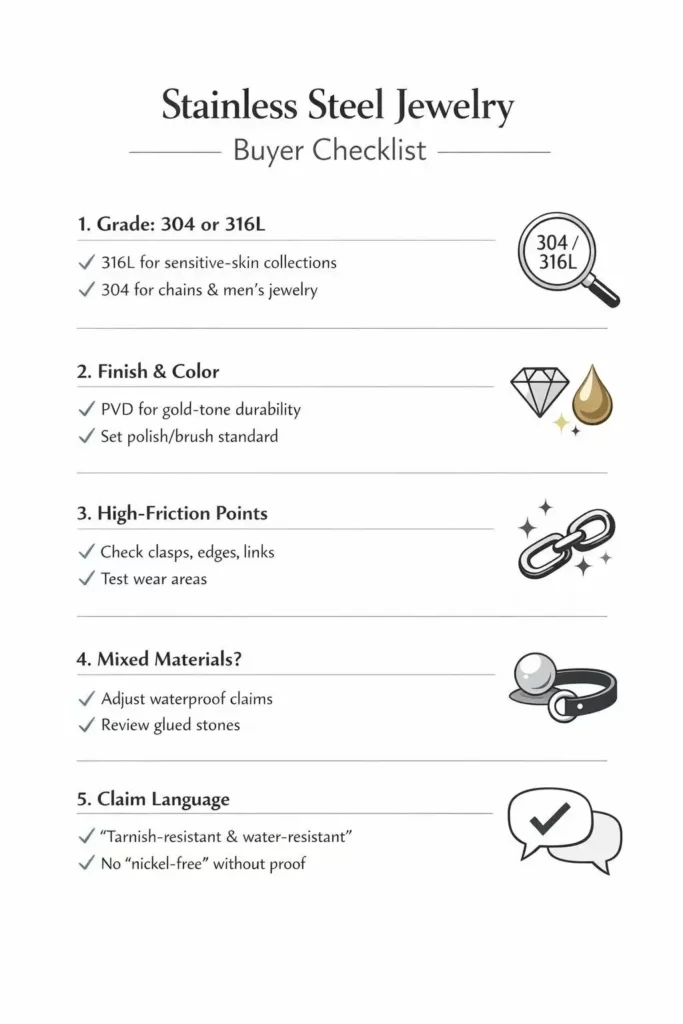
What stainless steel jewelry actually is
What we typically manufacture
304 / 316 stainless steel, and for collections that emphasize daily wear and water exposure, many buyers prefer 316L-grade options.
Weight & “feel”: what buyers should know
Sometimes buyers worry stainless steel may feel “too heavy.” In practice, comfort is driven more by design (thickness, chain link structure, edges, and balance) than by the metal alone.
A key advantage of stainless steel is its structural strength—you can often keep profiles slimmer while still feeling solid. That helps brands avoid “bulky but fragile” designs.
Stainless steel is an alloy (a metal mix). The ingredient that matters most is chromium.
During sampling, it’s smart to confirm:
Weight & “feel”: what buyers should know
In normal wear: not easily.
Most “tarnish” complaints online are actually one of these:
Simple brand guidance:
Is stainless steel jewelry “waterproof”?
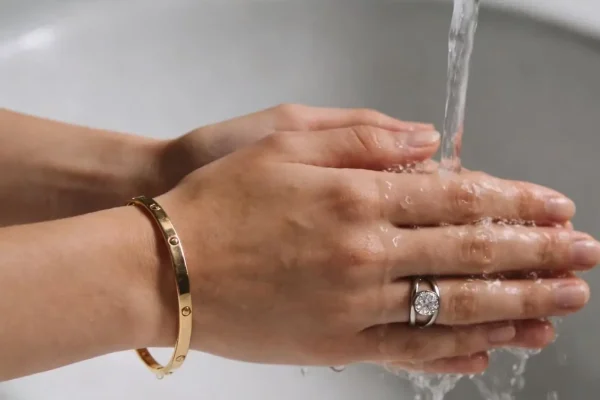
This is where wording matters.
Stainless steel is highly water-resistant, and for many customers that feels “waterproof.” They can wash hands, sweat, get caught in rain, and even shower occasionally—usually with no drama.
But from a brand perspective, “waterproof” can become a trap if:
Better positioning (recommended):
“Water-resistant for everyday wear.”
If your customer group includes swimmers or coastal lifestyles, a smarter statement is:
“For swimming or seawater wear, we can reinforce the coating/topcoat system based on your use-case.”
That keeps your marketing honest and your returns lower.
Is stainless steel jewelry skin-friendly? (304 vs 316L)
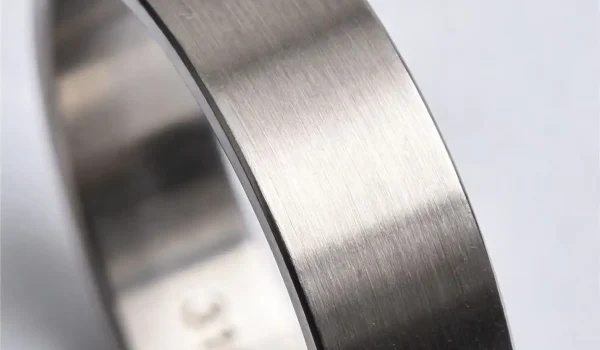
This topic gets messy because people use “hypoallergenic” like a guarantee. In reality, skin sensitivity is personal, and no metal is perfect for everyone.
That said, many brands successfully use stainless steel for sensitive-skin lines—especially when they choose 316L.
316L stainless steel
304 stainless steel
Stainless steel vs brass vs 925 silver: what buyers actually care about
Here’s the simplest practical comparison—based on what causes returns and complaints:
What customers notice Stainless Steel Brass 925 Silver
Color change risk Low Depends heavily on plating Medium–high (tarnish)
Water exposure Generally strong Uncoated brass is risky Needs care
Maintenance Low Medium–high Medium–high
Skin-friendly potential Strong (316L helps) Depends on plating Usually fine, but oxidizes
If your customers want “wear it every day and forget about it,” stainless steel is usually the easiest material to support that promise.
What makes stainless steel feel “premium”: finish matters
A lot of brands think the material alone decides everything. In practice, finishing often matters just as much.
Plain stainless steel (polished / brushed)
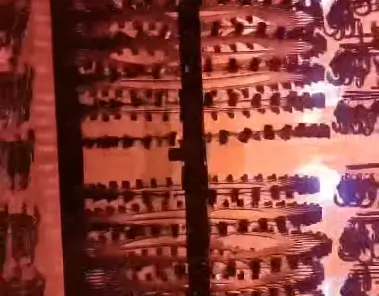
PVD coating on stainless steel (especially for gold tone)
How long does stainless steel jewelry last?
For most collections, stainless steel is a long-term material. With normal wear and basic care, it can stay presentable for years.
Where lifespan varies most:
A useful brand message is:
“Built for daily wear, with minimal maintenance.”
It sets the expectation correctly.
Common complaints (and how brands prevent them)
If you sell stainless steel, these are the complaints you’re likely to see—and how brands reduce them:
“It looks less shiny than before.”
Often residue or micro-scratches. Prevent with better polishing standards + simple care instructions.
“Gold color faded.”
Usually finish-related. Consider PVD for gold tone, and avoid ultra-thin coating approaches.
“It irritated my skin.”
Offer 316L options, and use careful wording (avoid absolute claims).
It scratched.”
Set expectations: all jewelry scratches. Improve finishing and choose suitable designs for everyday wear.
QC matters here: to reduce bulk surprises, many brands request clear QC checkpoints during production. In our workflow, we focus on in-process checks + final inspection, and for many orders we provide photo notes for key checks so expectations stay aligned from sample to bulk.
When stainless steel may not be the best choice
Sustainability positioning (safe wording)
If your brand cares about sustainability messaging, stainless steel can be positioned as a durable and recyclable material choice—especially when your story focuses on long product life and fewer replacements.
(As with all sustainability claims, keep wording consistent with your packaging and documentation.)
FAQs
“It looks less shiny than before.”
It’s highly resistant to tarnish. It may dull slightly over time, but it typically won’t tarnish like silver.
Does stainless steel rust?
Unlikely in normal wear. Prolonged exposure to harsh chemicals can damage almost any jewelry.
Can you shower with stainless steel jewelry?
Many people do. For best longevity, avoid chlorine and strong cleaners, and dry it after heavy exposure.
Is 316L better than 304 for jewelry?
Many brands choose 316L for sensitive-skin positioning. Both are widely used depending on collection goals and budget.
Does stainless steel turn skin green?
Generally no. Green marks are more common with copper-based alloys when uncoated.
Is stainless steel good for gold-tone jewelry?
Yes—especially with PVD coating, which is widely used to improve color durability.
Build a low-maintenance stainless steel collection (OEM/ODM support)
Building an everyday stainless steel collection—especially “water-resistant” or “low-maintenance” styles?